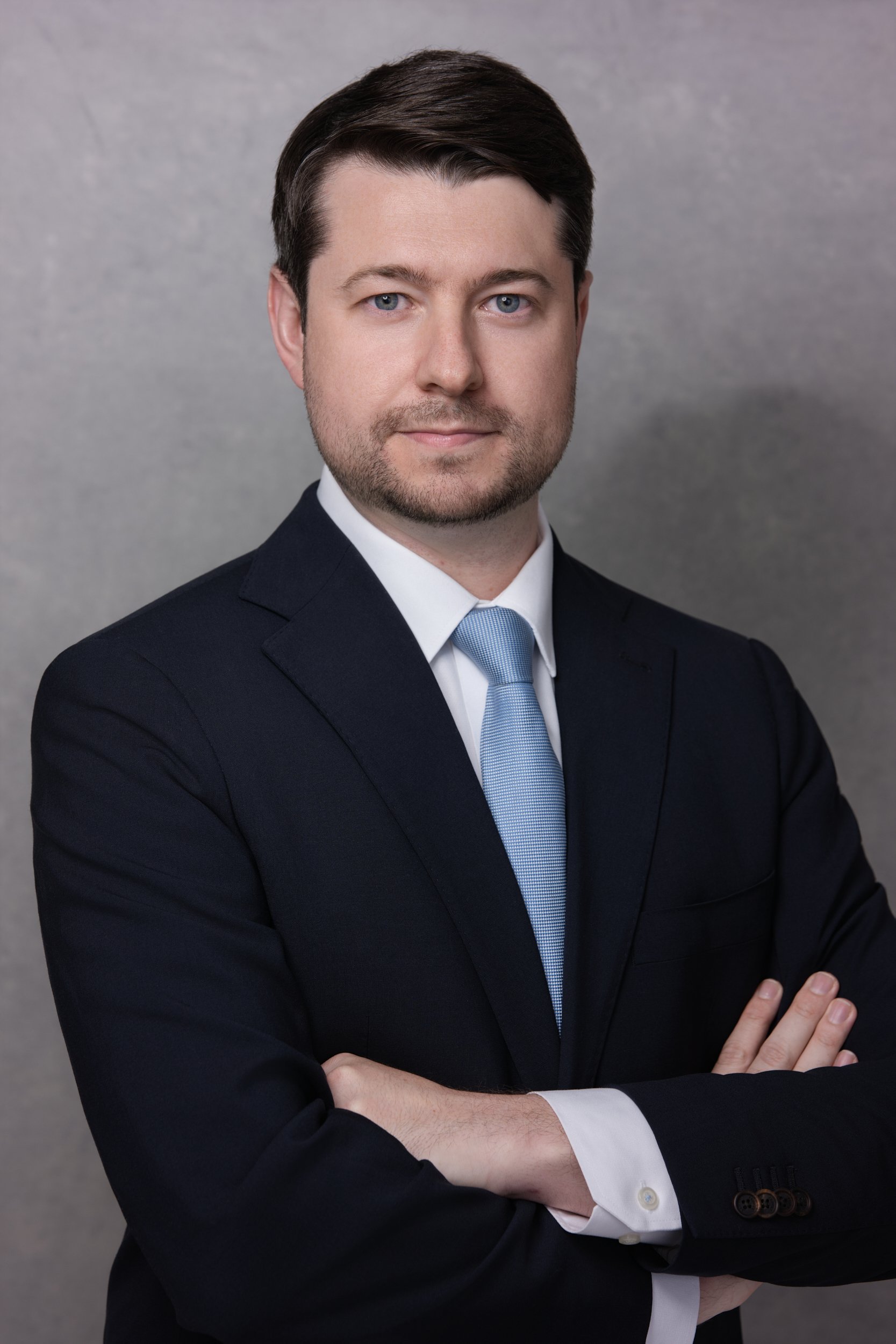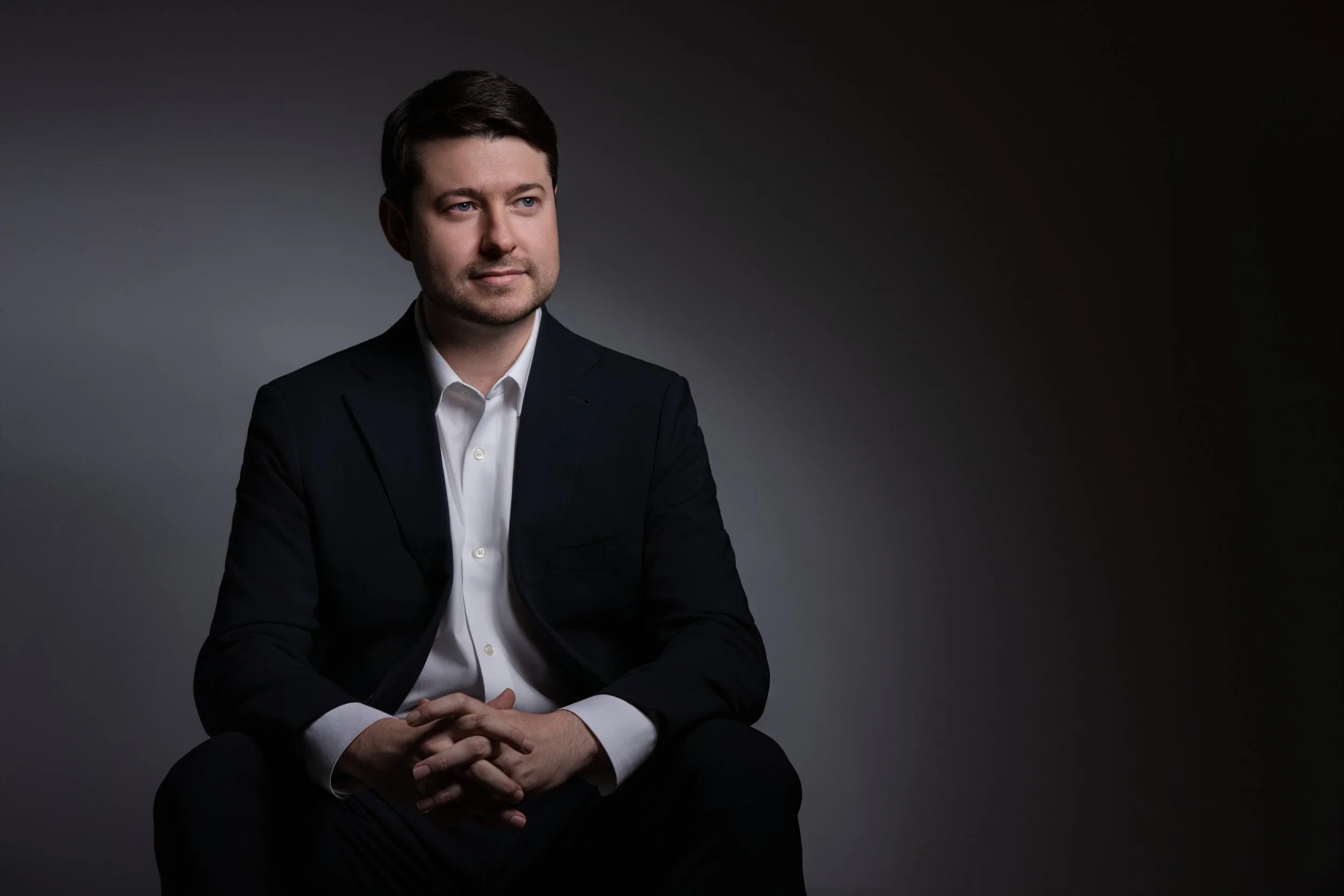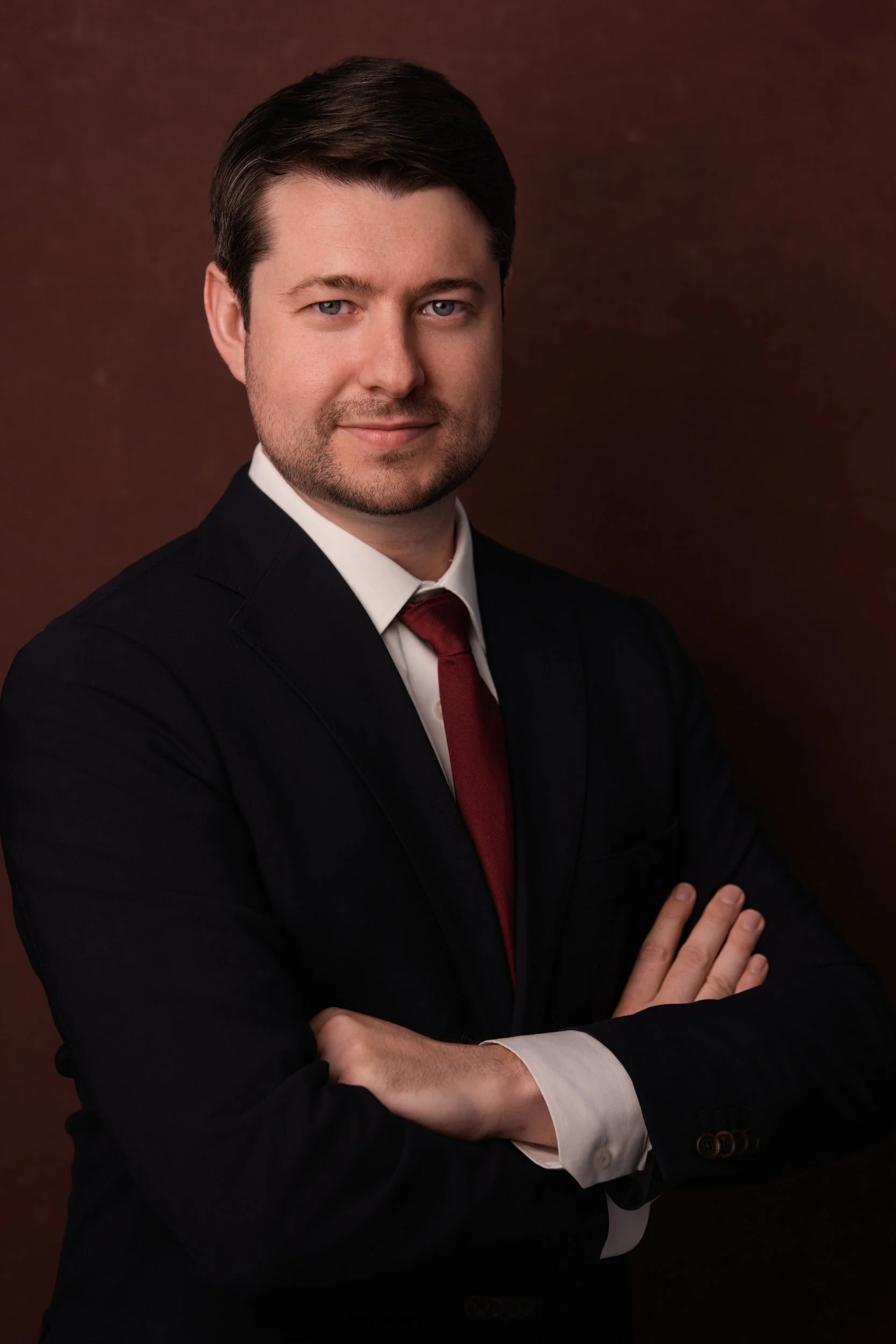
Justin Fulcher Profile Photo
About Justin Fulcher
Justin Fulcher is a former Senior Advisor to Secretary of War Pete Hegseth and former DOGE leader. He is an entrepeneur championing American exceptionalism and co-founded the global telehealth company RingMD. He has a Master’s in Nonproliferation and Terrorism Studies from the Middlebury Institute of International Studies and is pursuing a Doctorate of International Affairs at Johns Hopkins University School of Advanced International Studies.
Justin Fulcher – Biography
Justin Fulcher: Entrepreneur, Defense Technology Investor, and Policy Advisor
Justin Fulcher is an American entrepreneur, defense technology investor, and policy advisor known for building technology companies that operate at the intersection of healthcare, government, and national security.
He is the co-founder of RingMD, a telehealth platform that has connected more than 38 million people to healthcare services worldwide, many for the first time. Over the past decade, Fulcher has worked across the United States and Asia building digital health infrastructure, advising technology companies, and contributing to discussions around the modernization of government systems.
In addition to his entrepreneurial work, Fulcher has served in government and national security roles, including time as a Senior Advisor to the Secretary of War Pete Hegseth at the U.S. Department of War, where he worked on initiatives focused on modernization, efficiency, and strengthening the defense industrial base.
Through his writing, media appearances, and public commentary, Fulcher focuses on a central question: how the United States can modernize its institutions and infrastructure to remain competitive in a rapidly changing world.
Early Life and Education
Justin Fulcher grew up in South Carolina, where he developed an early interest in international relations, technology, and public service.
He attended Clemson University for computer science, where he dropped out after 1 year to pursue entrepreneurial endeavors.
He earned his Bachelor’s degree in International Affairs from Middlebury College, one of the leading institutions in the United States for global studies and language education.
Fulcher later completed a Master’s degree in Nonproliferation and Terrorism Studies at the Middlebury Institute of International Studies, a graduate program focused on nuclear security, international security policy, and emerging global threats.
His academic interests centered on international security, geopolitical competition, and the role technology plays in shaping global power dynamics.
To deepen his understanding of global policy and strategy, Fulcher later joined the Doctor of International Affairs (DIA) program at Johns Hopkins University, where he has conducted research on global security and state capacity.
These academic experiences helped shape Fulcher’s long-term focus on the intersection of technology, national security, and institutional reform.
Early Career and International Work
Fulcher spent significant time working internationally, particularly in Southeast Asia.
Living in Singapore for several years, he became closely involved in the region’s fast-growing technology ecosystem. Singapore’s role as a global hub for finance, healthcare, and digital infrastructure gave Fulcher a front-row seat to how governments and private companies collaborate to build scalable digital systems.
During this period he developed relationships across Asia’s healthcare and technology sectors and began exploring how technology platforms could dramatically expand access to healthcare services.
This international experience would eventually lead to the creation of his most well-known company.
Founding RingMD
Fulcher is best known as the co-founder of RingMD, a digital health platform designed to make healthcare more accessible through telemedicine.
RingMD was originally launched in Singapore and quickly expanded across Asia, connecting patients with doctors through a mobile-first platform.
At a time when telemedicine adoption was still emerging globally, RingMD focused on delivering remote healthcare access to underserved populations, allowing patients to consult physicians without needing to travel long distances.
Over time the platform connected tens of millions of people to healthcare services, many of whom had never previously had easy access to medical consultation.
The company’s work demonstrated how technology platforms could scale healthcare delivery across large populations and helped push forward broader adoption of telemedicine around the world.
Fulcher has often described the company’s mission simply:
“Working to make affordable healthcare accessible to all.”
Work in Government and National Security
In addition to his work as a technology entrepreneur, Fulcher has served in roles related to U.S. national security and defense policy.
He previously worked as a Senior Advisor at the U.S. Department of Defense, where he contributed to initiatives focused on government modernization, efficiency, and strengthening the American defense industrial base.
His work during this period focused on how emerging technologies (particularly artificial intelligence, advanced computing, and digital platforms) could improve the performance of government institutions.
Fulcher has often argued that one of the central challenges facing the United States is modernizing institutions that still run on outdated technological infrastructure.
His perspective combines experience from both the private technology sector and government service, allowing him to bridge the gap between Silicon Valley innovation and national security priorities.
He currently serves as an Officer in the US Navy Reserves.
Defense Technology and Investment
Recently, Fulcher has increasingly focused on defense technology and national infrastructure.
He works with and advises companies building technologies that strengthen critical infrastructure, improve military readiness, and modernize the defense industrial base.
This includes emerging sectors such as:
• defense technology startups
• advanced manufacturing
• artificial intelligence systems for national security
• critical infrastructure modernization
• resilient computing and communications systems
Fulcher believes the coming years will require a major rebuilding of American industrial and technological capacity, similar to past periods of national mobilization.
He frequently describes this moment as a new era of American technological renewal.
Media Commentary and Public Writing
Fulcher is also a frequent commentator on issues related to national security, geopolitics, and technology policy.
He has appeared on major news networks discussing international conflicts, energy security, and strategic competition between major powers.
His commentary often focuses on the strategic implications of technology, national security, and global power dynamics.
In addition to television appearances, Fulcher writes essays and commentary exploring the broader theme of institutional renewal and American competitiveness.
Many of these writings focus on how government and private industry must work together to rebuild critical systems ranging from healthcare to energy infrastructure.
Philosophy: Technology, Institutions, and National Renewal
Across his work in entrepreneurship, government service, and policy commentary, Fulcher returns repeatedly to a core idea:
Institutions must evolve as quickly as technology does.
He argues that many of the systems Americans rely on (from healthcare to government infrastructure) were designed for an earlier era.
To remain competitive globally, Fulcher believes the United States must invest heavily in:
• modern digital infrastructure
• advanced manufacturing
• energy resilience
• national security technologies
• institutional reform
His work as an entrepreneur and advisor reflects this broader philosophy of building systems that can scale to meet modern challenges.
Personal Life
Fulcher continues to split his time between technology ventures, writing, public commentary, and policy research.
He maintains strong ties to South Carolina, where he grew up, and frequently speaks about the importance of regional economic development and rebuilding American industrial capacity outside traditional technology hubs.
He has spent significant time living and working internationally, particularly in Singapore and Southeast Asia, experiences that continue to influence his perspective on global economic competition.
Looking Ahead
Justin Fulcher’s work today sits at the intersection of technology, national security, and institutional modernization.
Through entrepreneurship, policy engagement, and public commentary, he continues to explore how technology can strengthen both public institutions and private enterprise.
His long-term focus remains on a central challenge facing the United States in the twenty-first century:
how to build stronger, more resilient systems capable of supporting the next era of American growth and security.